

Security for Warehousing & Logistics
A warehouse is built to move goods out of itself quickly. Security either understands that flow and controls it, or watches it from the gate.
Warehousing & Logistics
Consult. Investigate. Protect.
Distribution sites lose stock in small, repeatable quantities, through processes built to move fast. The dock is the pressure point: any check that slows a vehicle is worked around within a month. We build the deployment around the transitions — put-away, pick, seal, and the returns desk that reverses all of it.
Advisory, investigation and guarding for this sector sit under one command structure, so a gap found in an assessment becomes a revised post instruction rather than a message to another vendor.
Where this sector actually loses ground.
Shrinkage in a distribution facility is rarely one large event. It is a small, disciplined leak at a transition point that nobody owns.
Shrinkage between put-away and dispatch
Stock is accounted for at receipt and at invoice, and is least observed in between — during put-away, in high racking, at the pick face and on the staging floor. Cartons opened for a partial pick, damages written off without physical verification and pallets staged overnight are the routine cover.
Load-in and load-out collusion with drivers
Loading is the one moment when your stock, an outside vehicle and an outside person are in contact with each other. An extra carton, a short load against a full challan, or an unrecorded stop before the gate all depend on a loader and a driver reaching an understanding that nobody supervises.
Returns and reverse-logistics fraud
The returns desk accepts goods against a claim rather than a document, which makes it the softest inward point in the building. Empty or substituted returns, resaleable stock graded as damaged, and refund-cycle manipulation all rely on the same weakness: an inward process with outward-level value and inward-level scrutiny.
Dock-door and staging control
Open doors on an unattended dock face, staged consignments mingling between vehicles, seals applied before loading is complete and seal numbers recorded from the paperwork rather than from the seal. On most sites the dock is treated as an operational area rather than a controlled boundary.
Peak-season manpower surges
Volume triples, casual loaders are inducted in a morning, and verification is the first control to be suspended in the name of throughput — at exactly the point in the year when the building holds the most stock.
Posts, supervision, shifts and the report that follows.
A warehouse deployment is built around vehicle and stock transitions, and is written to scale up and down with your volume cycle instead of being renegotiated every peak.
Post structure
A gatehouse controlling vehicle in and out with driver and document verification, dock supervision covering loading and sealing, a post at the returns and damages area, roving cover of racking aisles and the dock face outside operating hours, and control-room monitoring where cameras exist. Staff exit search points are placed where your policy provides for them.
Supervision layer
A shift in-charge supervises the dock while it is live — the position that matters most and is most often left unfilled — with a site supervisor accountable for the manning plan, the seal and vehicle registers, and the interface with your operations manager and 3PL client where one exists.
Shift pattern and surge manning
Cover is matched to your dispatch clock rather than to a calendar day, and the contract carries an agreed mechanism for surge manning during peak, festival and sale cycles, so additional personnel arrive verified and inducted rather than assembled at the gate.
Escalation and reporting
Seal discrepancies, vehicle exceptions, refused loads and returns anomalies are escalated on written thresholds. You receive a daily vehicle and seal summary, a periodic exception report covering the dock and the returns desk, and a scheduled review against the plan.
Three disciplines, read against this sector.
Most engagements in this sector begin with one of the three and widen once the picture is clear. Open a discipline for the full scope of what it delivers.
Consult
We assess the building as a set of transitions rather than as a footprint, and we test each control against the one question that decides whether it will survive: what does it cost in dispatch time?
- Dock, seal and vehicle SOPs designed to be executable at peak volume, not only at audit
- Camera coverage prioritised over the returns desk, pick face and dock line
- Returns and damages process re-engineered as an inward control point
Investigate
When stock variance persists after the process has been corrected, the answer is an enquiry. We work inside a running facility without stopping it, and we corroborate before we accuse.
- Shrinkage enquiries traced through pick, staging, loading and gate records
- Enquiry into loader, driver and transporter collusion, and into returns-cycle fraud
- Background verification of loaders, supervisors and drivers, including surge intakes
Protect
Personnel are inducted on your systems, not only on your site — what a correct challan, seal and returns document look like, and the authority they have to stop a vehicle that does not match one.
- Gatehouse, dock, returns and roving posts staffed to a written manning plan
- Surge manning for peak cycles with verification and induction completed in advance
- Documented seal, vehicle and key registers handed over in writing at every shift change
What you should be able to see.
A deployment is only worth what it makes visible. These are the measures we expect to be judged on in this sector.
Every vehicle accounted for at both ends
Entry, loading, sealing and exit are recorded against the same vehicle and document set, so a discrepancy is identified at the gate rather than at the customer's dock.
A returns desk that is actually controlled
Inward returns are received, verified and recorded under supervision, closing the softest route into and out of the building.
Shrinkage that becomes visible early
Exception reporting from the dock and the pick face gives you a signal in weeks rather than a variance at the next physical stock count.
Peak handled without suspending control
Surge personnel are verified and inducted before the season rather than during it, so throughput rises without the controls being quietly switched off.
The questions that come up first.
We have cameras covering the whole facility and we still lose stock. What would change?
Cameras record; they do not control. Footage answers a question only when somebody already knows which minute to look at, which is why sites with complete coverage still discover losses at stock-take. What changes outcomes is supervision at the transition points and a record that can be reconciled — seal numbers taken from the seal, loads witnessed, returns verified — with camera review used to confirm an exception the paperwork has already flagged.
Our peak season triples volume for six weeks. Can you actually staff that?
Surge manning is written into the deployment plan rather than negotiated when it starts. We agree the uplift, the lead time and the induction requirement in advance so that additional personnel are verified and inducted before the season opens. Where the required numbers are large, we will tell you plainly what is achievable in the time available rather than promising a figure we would have to fill at the gate.
We are a 3PL. Who is accountable to our client — us or you?
You are, and the deployment is designed to make that defensible. Registers, exception reports and personnel documentation are maintained in a form you can present directly to your client or their auditor, and where your client's contract imposes specific physical-security obligations, we will write those into the post instructions so they are being executed rather than merely accepted.
Will seal and document checks slow our dispatch?
Only if they are designed badly. Checks are timed against your dispatch schedule, placed where a vehicle is already stationary, and reduced to a defined set of verifications rather than an open-ended inspection. If a control cannot be executed at peak volume it will be worked around, so we would rather design a narrower check that holds than a thorough one that is abandoned in week three.
Other Sectors
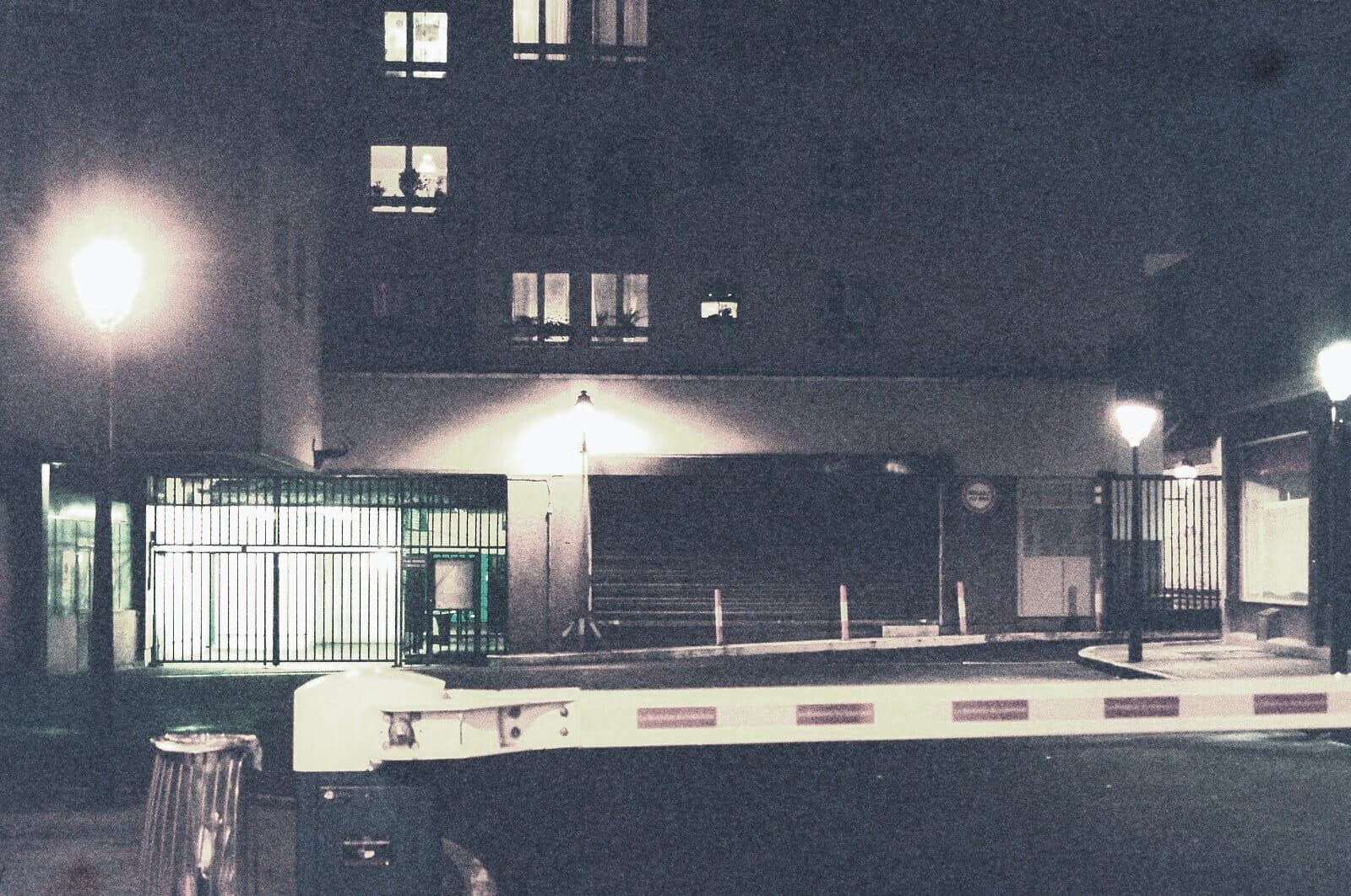

Security built for Warehousing & Logistics.
Tell us the location, the working pattern and what you believe is going wrong. That conversation usually settles whether you need an assessment, an enquiry or a deployment — and it costs nothing.
Security. Intelligence. Assurance. — Pan India Presence