
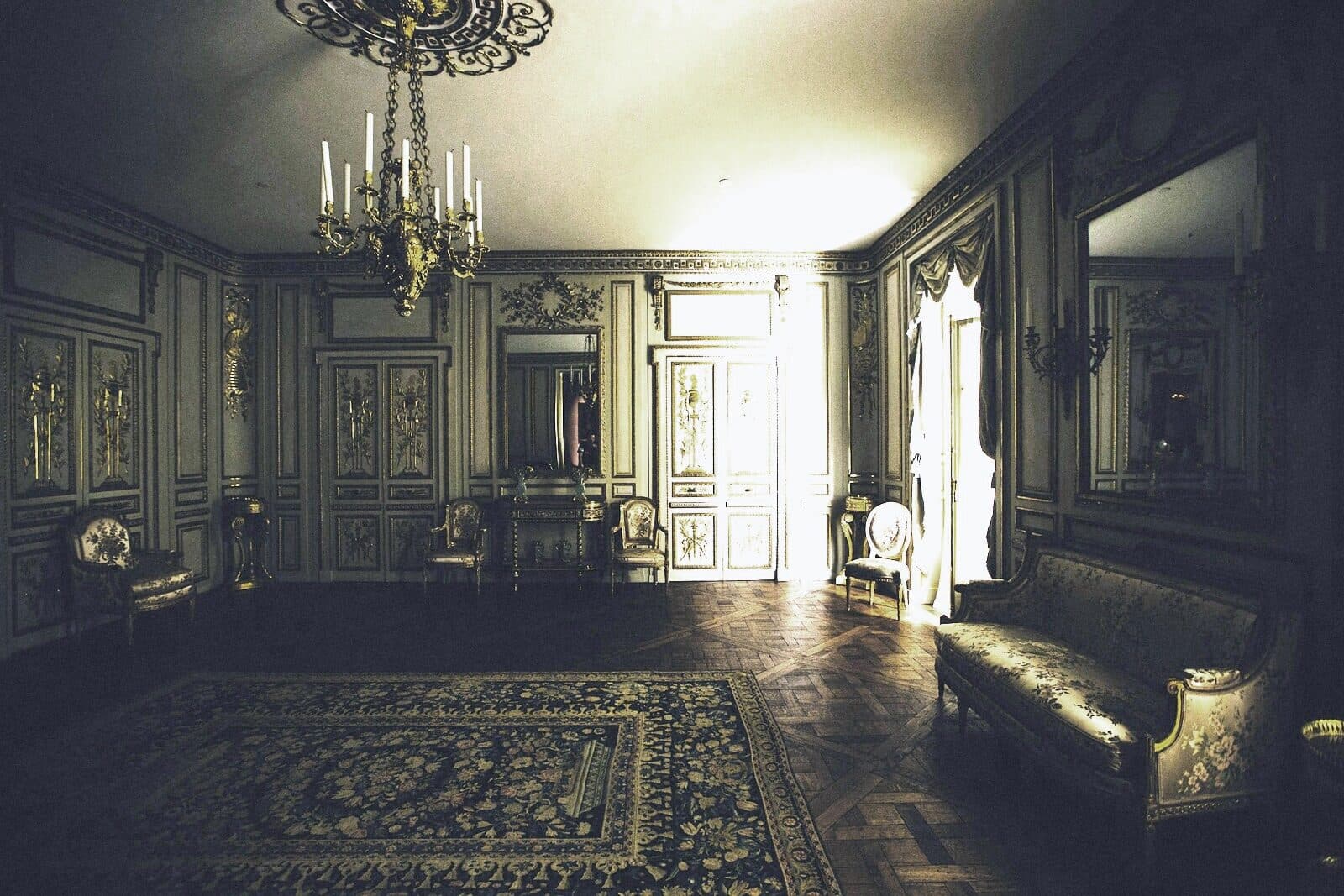
Security for Hospitality & Hotels
Security that is noticed in a hotel has already failed twice: once in the incident, and once in the guest experience.
Hospitality & Hotels
Consult. Investigate. Protect.
A hotel invites strangers in by design, then asks security to tell them apart. Front-of-house control has to be nearly invisible; back-of-house — stores, linen, food and beverage, staff movement — can be firm. Most losses live at the back, most reputational damage at the front.
Advisory, investigation and guarding for this sector sit under one command structure, so a gap found in an assessment becomes a revised post instruction rather than a message to another vendor.
Where this sector actually loses ground.
Hospitality risk divides cleanly: reputational and privacy exposure at the front, commercial loss at the back.
Guest privacy and discretion
Guest-floor access by non-residents, staff or vendors, unauthorised photography, media interest in a public figure, and enquiries at reception about who is staying. Privacy failures rarely appear as a loss on any statement, and they are the ones a hotel is judged on.
Banquet, wedding and event access
Events bring hundreds of people onto the property under an invitation the hotel never controls, together with outside vendors, decorators and performers who need service access at unusual hours. Event days are when the property's boundary is at its weakest and its occupancy at its highest.
Back-of-house pilferage
Food and beverage stores, linen, minibar stock, kitchen supplies and engineering spares are consumable, unmarked and constantly moved. Loss occurs through the staff exit, the garbage route and the supplier's returning vehicle rather than through any guest-facing area.
VIP movement and vehicle screening
Delegations, government protectees and public figures arrive with their own security expectations, and the porch has to accommodate screening, parking and arrival without the driveway seizing up or ordinary guests being made to feel like suspects.
Incidents that must not become public
An intoxicated guest, a dispute in a bar, a room-safe complaint or an altercation at an event has to be de-escalated quickly, quietly and with a documented record — because the alternative is a phone camera and a review that outlives the incident by years.
Posts, supervision, shifts and the report that follows.
A hospitality deployment is written as two linked plans — a discreet, grooming-standard front of house and a firmly controlled back of house — under one supervisory line.
Post structure
Porch and driveway with vehicle screening as the property requires, a lobby presence held to hotel grooming and language standards, guest-floor cover by discreet patrolling rather than static posts, a staff entrance and back-of-house exit point, stores and receiving-bay cover, a banquet and event access desk, and control-room monitoring.
Supervision layer
A security officer works to the duty manager on every shift, with the night officer holding the property when the management presence is thinnest. Grooming, language and guest interaction are supervised to the same standard as security performance, because in a lobby they are indistinguishable.
Shift pattern and event surge
Cover is continuous with strength weighted to arrival, departure and late-night hours, and the plan carries an agreed mechanism for event and banquet surge so that a wedding is staffed to a briefed plan rather than by pulling personnel off their own posts.
Escalation and reporting
A written escalation path covers an intoxicated or aggressive guest, a privacy or media approach, a missing-property complaint, a fire alarm and evacuation, and police interface, naming the duty manager's role at each step. Management receives incident reporting, back-of-house exception records and a scheduled review.
Three disciplines, read against this sector.
Most engagements in this sector begin with one of the three and widen once the picture is clear. Open a discipline for the full scope of what it delivers.
Consult
We assess the property as two environments with one boundary between them, and design controls that are firm where guests never go and unobtrusive where they do.
- Porch, screening and arrival design that controls vehicles without blocking the driveway
- Event and banquet access plans, including vendor and service-entry control
- Back-of-house procedure covering stores, staff exit, garbage route and supplier returns
Investigate
Hotels frequently need a matter resolved precisely because it cannot become public. We run those enquiries quietly and report to a single named executive.
- In-house theft and food-and-beverage store pilferage enquiries
- Staff and supplier collusion enquiries covering receiving, stores and billing
- Background verification of staff, and discreet enquiry where a guest complaint cannot be aired
Protect
Front-of-house personnel are selected for presentation, language and composure and inducted to hotel grooming standards; back-of-house personnel are selected for the discipline to search a colleague every day and remain professional about it.
- Porch, lobby, guest-floor, stores and staff-exit posts staffed to a written plan
- Event and banquet manning briefed to the specific function rather than deployed generically
- Executive protection and delegation movement where a guest or event requires it
What you should be able to see.
A deployment is only worth what it makes visible. These are the measures we expect to be judged on in this sector.
Guest floors that stay private
Non-resident, vendor and staff access to guest floors is controlled and recorded, which is the single most direct protection of the thing guests are actually paying for.
Events that hold their boundary
Banquet access, vendor entry and service routes are run to a briefed plan, so a function of six hundred people does not open the property to everyone else.
Back-of-house loss brought into view
Stores, receiving, staff exit and garbage routes are controlled and recorded, turning consumable pilferage from an accepted cost into a measurable exception.
Incidents that end quietly
Situations are de-escalated by trained personnel working to the duty manager, with a documented record — protecting both the guest and the property's reputation.
The questions that come up first.
We want our guests to feel welcomed, not screened. Is visible security avoidable?
Largely, at the front. The lobby and guest floors are covered by personnel in hotel grooming who read as part of the service team, with control exercised through observation, access discipline and the duty manager rather than through obvious inspection. Where a property genuinely requires visible vehicle screening at the porch, we design the sequence so that it happens without stopping the driveway, and we brief personnel on how to conduct it courteously.
Weddings and banquets bring hundreds of people we have never seen. How is that controlled?
Event by event, on a briefed plan. Before the function we agree the guest access route, where the event boundary sits against the hotel's own areas, how outside vendors and their vehicles enter and at what hours, what the host's own arrangements are, and who from the hotel makes decisions during the event. Personnel are then briefed to that specific function. Generic event manning is what produces open service doors at midnight.
We occasionally host public figures and delegations. Can you support that?
Yes, through the protection work in our Protect line, coordinated with whatever security the guest brings and with your duty management. Arrangements normally cover arrival and departure routing, porch and lift control, floor access restriction, discretion at reception regarding the guest's presence, and a defined contact line. Anything requiring statutory permissions or an armed component is discussed openly with you rather than assumed.
Most of our loss is in food, beverage and linen. What actually reduces that?
Control of the back-of-house boundary and the routes people forget: the staff exit, the receiving bay, the supplier's returning vehicle and the garbage route. That means a supervised staff exit under a policy you publish to your own team, receiving checked against the order rather than against the invoice, and stores access recorded. Where the pattern suggests collusion between staff and a supplier, an enquiry will answer it far faster than an additional post.
Other Sectors
Security built for Hospitality & Hotels.
Tell us the location, the working pattern and what you believe is going wrong. That conversation usually settles whether you need an assessment, an enquiry or a deployment — and it costs nothing.
Security. Intelligence. Assurance. — Pan India Presence